
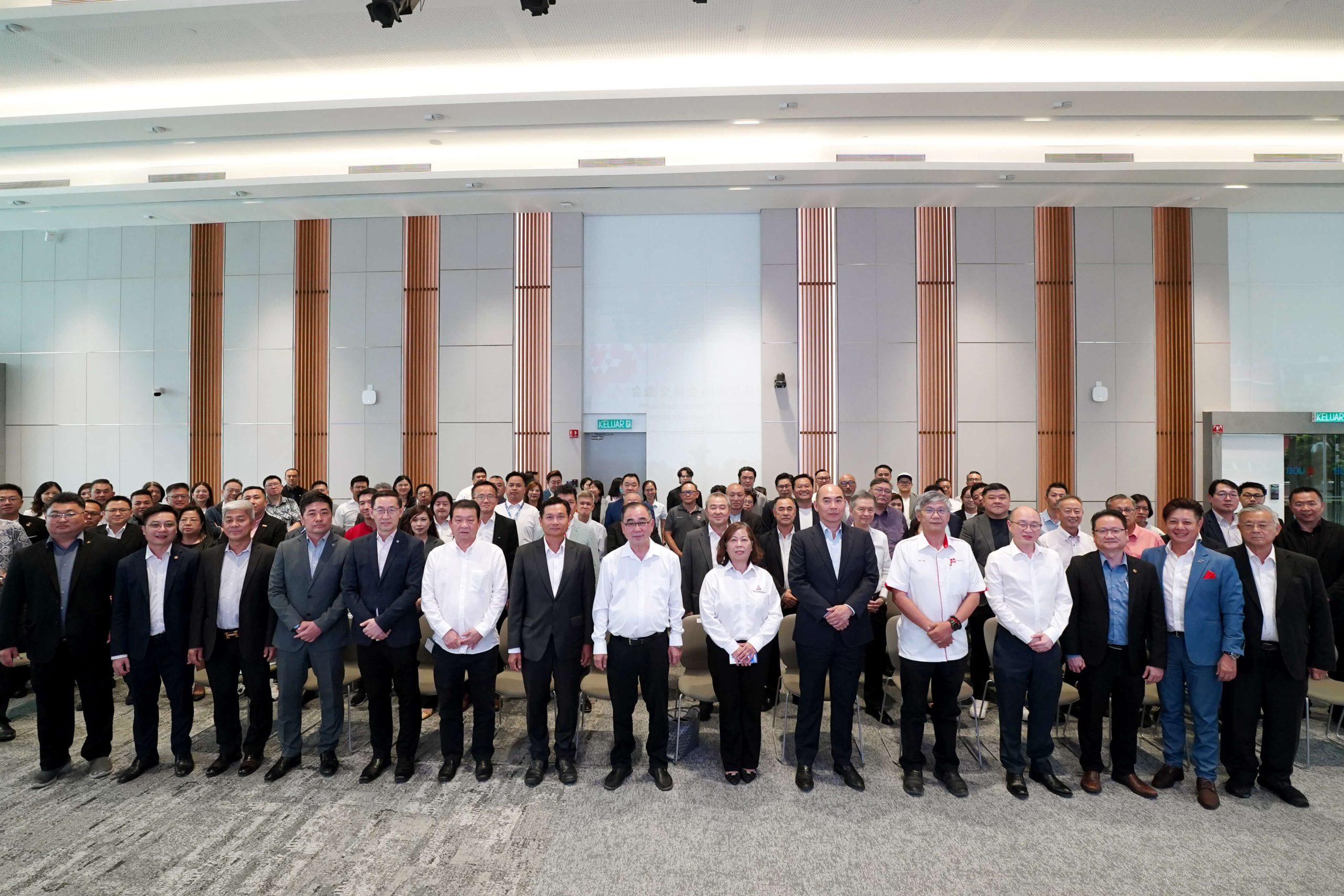
Businesses across multiple sectors have expressed grave concern over the impact of soaring fuel prices, particularly diesel, during the “2026 ACCCIM Interaction with Associate Members held yesterday.
Meantime, Prime Minister and Minister of Finance Datuk Seri Anwar Ibrahim announced via a statement issued by the Ministry of Finance, a series of immediate measures to help businesses cope with rising operating costs stemming from the global energy crisis and Middle East tensions.
These includes a RM 5 billion financing guarantee under Syarikat Jaminan Pembiayaan Perniagaan (SJPP), a 12-month extension for e-invoicing transition and interim tax relief on re-imported Malaysian goods affected by global disruptions. ACCCIM welcomes these measures and is encouraged that the Government has adopted the proposals previously submitted by the Chamber, reflecting its responsiveness to the concerns of the business community.
The session saw the participation of nearly 30 trade organisations from various industries with approximately 150 participants attending, the participants highlighted that rising fuel costs are significantly increasing logistics and transportation expenses, leading to higher overall production and distribution costs. Many sectors—including manufacturing, construction, agriculture, and wholesale and retail—are experiencing mounting pressure due to their heavy reliance on fuel and energy inputs.
Participants also raised concerns over supply chain disruptions, rising freight costs and shrinking margins, as businesses struggle to pass on higher costs to consumers. Small and medium enterprises (SMEs) are particularly vulnerable, facing tighter cash flows and limited capacity to absorb these increases. The overall sentiment reflects growing caution within the business community amid heightened economic uncertainty.
The interaction session also featured a panel discussion with invited speakers including Mr. Ng Zhu Hann, Founder and Chief Executive Officer of Tradeview Capital and Deputy Chairman of the Commerce Committee of ACCCIM; Mr. Lee Heng Guie, Executive Director of the Socio-Economic Research Centre (SERC), who moderated the session; and Mr. Beh Wee Khee, Managing Director and Country Head of Commercial Banking, UOB Malaysia.
During the session, ACCCIM gathered extensive feedback, proposals and recommendations from representatives of chambers and associations nationwide. Datuk Ng Yih Pyng, President of ACCCIM, said that the Chamber will compile and formulate these inputs into a comprehensive proposal to be submitted to the relevant Ministries for consideration.
Datuk Ng added that since the onset of the oil shock, ACCCIM has consistently engaged with its members and the wider business community to provide feedback and advocate for policies that help reduce operating and compliance costs for micro, small and medium enterprises (MSMEs).
ACCCIM emphasises that the current oil price shock represents a significant external challenge requiring coordinated and practical policy responses. The Chamber looks forward to continued engagement with the Government to ensure that policies remain effective, targeted and supportive of business sustainability.
More importantly, efforts must be focused on strengthening the resilience of businesses to withstand economic shocks, while sustaining growth and competitiveness across the broader economy.